Defense for Drivers Facing Impairment Allegations
DUI Defense in Montrose for motorists charged with driving under the influence and facing license suspension
Pennsylvania DUI enforcement begins at the roadside, where observations, field sobriety tests, and chemical testing results form the foundation of the criminal case against you. The Law Office of Jason G. Beardsley represents clients in Montrose charged with DUI offenses, providing legal analysis of the traffic stop, testing procedures, and evidence that prosecutors will use to pursue conviction and mandatory sentencing. DUI allegations trigger parallel criminal and administrative proceedings, with PennDOT license suspension occurring separately from criminal court, meaning you face two distinct processes with different timelines and requirements even before any court hearing takes place.
DUI defense involves examining whether the initial traffic stop was legally justified, whether field sobriety tests were administered according to standardized protocols, whether chemical testing equipment was properly calibrated and maintained, and whether chain-of-custody procedures were followed for blood samples. Each phase of the stop and arrest must comply with constitutional requirements and Pennsylvania DUI regulations, and violations at any stage may provide grounds to suppress evidence or challenge the charges.
Request a consultation to review the arrest details, chemical test results, and legal options within the statutory deadlines.
What Evidence Gets Challenged in DUI Cases
The traffic stop itself must be supported by reasonable suspicion that a vehicle code violation or criminal activity occurred, meaning officers cannot stop a vehicle based solely on time of day, location near a bar, or generalized suspicion. Once stopped, the officer's observations—odor of alcohol, bloodshot eyes, slurred speech, performance on field sobriety tests—must be documented and form the basis for probable cause to arrest. Defense strategies focus on whether the officer's narrative matches video evidence, whether field sobriety instructions followed National Highway Traffic Safety Administration standards, and whether the driver's performance can be explained by non-alcohol factors such as fatigue, medical conditions, or roadside conditions.
After reviewing the evidence, you will know whether the stop was lawful, whether testing was conducted properly, and which procedural defenses apply to your situation. Court proceedings move quickly in DUI cases, with preliminary hearings scheduled within weeks and strict deadlines for filing license suspension appeals that run concurrently with the criminal case, requiring coordinated legal responses on both fronts.
DUI penalties in Pennsylvania escalate with prior offenses and blood alcohol concentration levels, ranging from mandatory minimum jail sentences and fines to ignition interlock device installation and extended license suspension periods. These collateral consequences affect employment, custody arrangements, and daily mobility, making the defense strategy a balance between contesting the charges and mitigating the consequences if conviction becomes unavoidable.
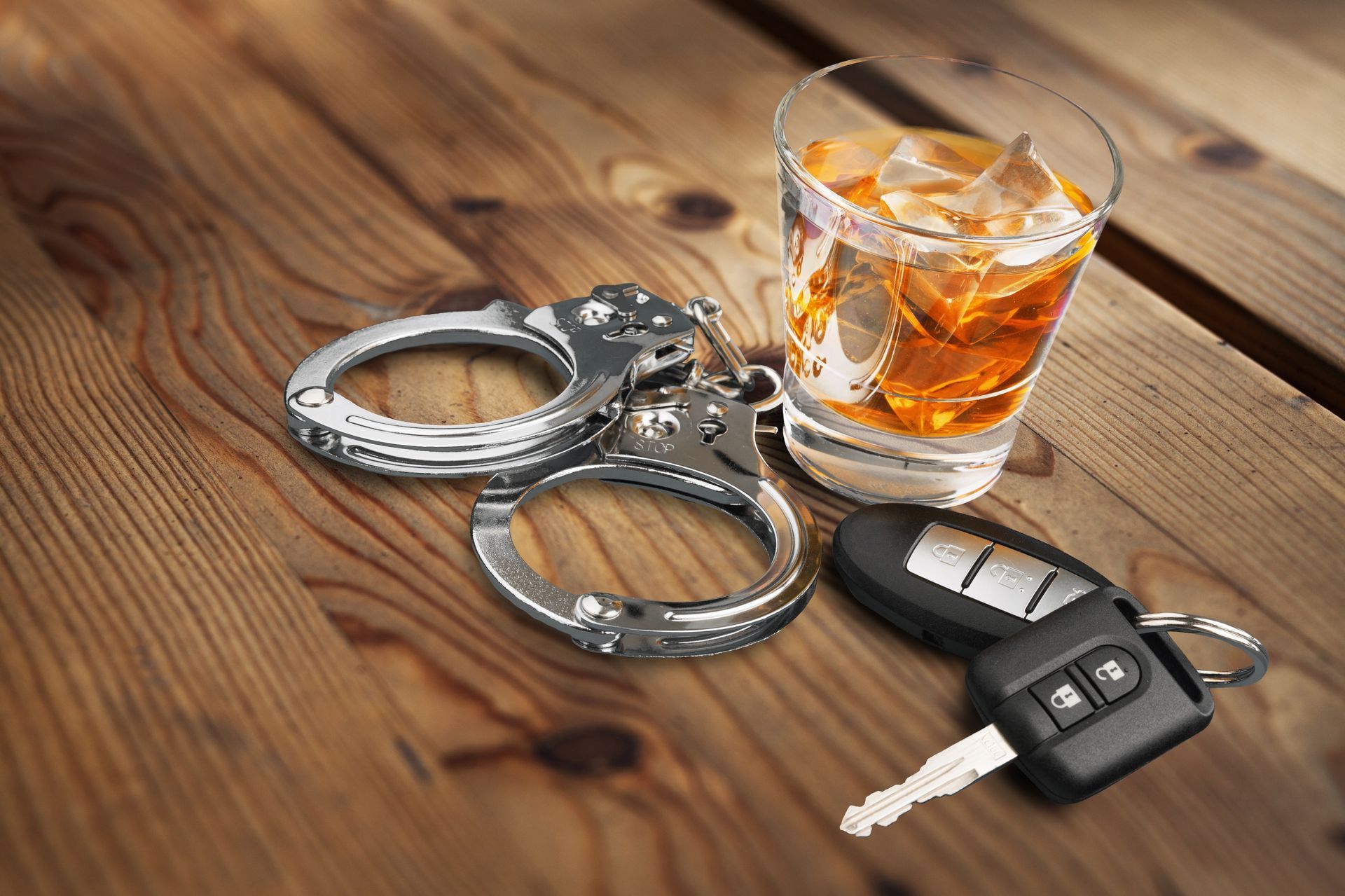
Drivers in Montrose facing DUI allegations often need immediate guidance on what to expect and what steps to take before their court date.
What is the deadline to appeal a license suspension?
You have thirty days from the date of arrest to appeal the administrative license suspension imposed by PennDOT. Missing this deadline means the suspension takes effect automatically, even if the criminal case is still pending. Filing a timely appeal allows you to request a hearing where the legality of the stop and the validity of the test results can be challenged before a hearing officer.
How does blood testing differ from breath testing in defense strategy?
Blood testing requires a warrant or consent, involves drawing a sample that is sent to a lab for analysis, and creates a chain-of-custody record that must be preserved and documented. Breath testing occurs at the police station using machines that require regular calibration and maintenance logs. Defense challenges differ depending on the testing method—blood cases focus on chain-of-custody gaps and contamination, while breath cases focus on machine calibration records, operator certification, and whether observation periods were followed before testing.
What defenses apply if I refused chemical testing?
Refusal to submit to chemical testing triggers an automatic one-year license suspension under Pennsylvania's implied consent law, but refusal also removes the most direct evidence of impairment from the prosecution's case. Defense in refusal cases focuses on the legality of the stop, the officer's observations, and whether field sobriety tests alone establish impairment beyond a reasonable doubt.
Why does the type of DUI charge matter?
Pennsylvania categorizes DUI charges by blood alcohol concentration tiers—general impairment, high BAC, and highest BAC—with mandatory minimum sentences increasing at each level. The tier determines the minimum jail time, fine amounts, and license suspension period, making the reliability of the BAC reading a critical factor in defense strategy and plea negotiation.
When should I hire an attorney after a DUI arrest?
Legal representation should begin immediately after arrest to ensure that license suspension appeals are filed within the thirty-day deadline, that you avoid making statements that strengthen the prosecution's case, and that evidence is preserved before video recordings are deleted or testing logs are discarded. Delays in securing representation narrow the available defense options and allow critical deadlines to pass.
Answers to Frequent Questions About DUI Charges
The Law Office of Jason G. Beardsley serves drivers charged with DUI throughout Montrose and the surrounding region. Arrange a case review to evaluate the evidence, discuss defense strategies, and address both the criminal charges and license suspension proceedings.